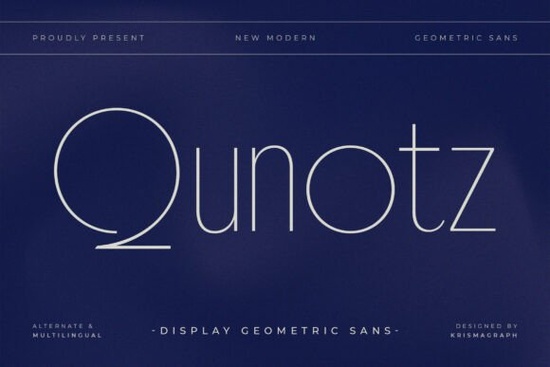
Choosing the right typeface often comes down to understanding what you want your audience to feel when they look at your project. For many designers and small business owners, this means finding a balance between style and function without overwhelming the message. You want something that communicates exclusivity and precision, especially if your project involves premium products or sophisticated branding. That is exactly where Qunotz Font becomes a valuable asset for your toolkit.
Is Ultra-Thin Safe for Your Project?
There is often hesitation regarding very thin fonts because people worry about legibility, particularly on small screens or low-quality prints. However, the strength of this specific geometric style lies in its construction. Unlike traditional weights that rely on heavy ink saturation, this design uses pure circular geometry. The hairline strokes and expansive open counters create negative space that acts as a design element in itself. This approach ensures that even at larger display sizes, the letterforms remain distinct while maintaining an airy, meditative presence.
If you have used standard sans serifs before and felt they lacked distinction, you might find similar satisfaction in more refined alternatives. For instance, exploring resources found here provides insight into how sharp, clean lines can transform a layout without adding clutter. The goal isn't to make the text harder to read, but to make it easier for the eye to rest while still capturing attention.
When you pair this style with ample whitespace in your layouts, you prevent the thin strokes from disappearing into the background. This technique is crucial for anyone doing print-on-demand designs, clothing graphics, or corporate signage where clarity is paramount.
Matching Your Brand Voice with the Right Stroke Weight
This typeface works best for brands that speak in whispers but still command a room. If your identity relies on restraint rather than volume, an ultra-light weight offers the perfect solution. High-end fashion labels, luxury real estate agencies, and architectural studios often prefer this kind of aesthetic because it suggests confidence without shouting. Fine jewelry packaging and cosmetic branding also benefit significantly from this level of refinement.
Sometimes, a designer needs to understand where a lighter style fits versus when to switch to something heavier. Understanding these distinctions helps you decide which file to download for your current client. While this geometric sans is excellent for headers and logos, mixing it with a bolder typeface creates better hierarchy. For example, if you are working on a project requiring more structural heft alongside delicate accents, checking out a robust option like Nugget allows you to maintain visual consistency while shifting the tone.
Multilingual support is another critical factor for modern projects. Since this font handles international characters well, it removes barriers for brands expanding globally. Whether you are designing for a local spa identity or a worldwide jewelry campaign, the technical foundation supports diverse audiences seamlessly.
Expanding Your Typography Library with Contrasts
Designers rarely rely on a single family for every job. Having variety in your collection means you can pivot quickly when a brief changes. A classic utility font might not suit a futuristic theme, so having options is essential. If your current direction shifts toward more tech-inspired visuals, searching through these bundles can offer a stark contrast to organic or minimal styles.
Similarly, exploring different volumes in existing series helps you find subtle variations. Looking at Volume 01 often reveals unique stylistic choices that share common DNA but differ in application. These comparisons allow you to see exactly why one choice works better than another for a specific medium.
It is always wise to verify the technical specifications before purchasing or downloading. Ensuring the file includes alternate characters means you won't get stuck using basic glyphs that limit your creativity. Many modern fonts come with ligatures and stylistic sets that elevate the overall quality of the text. Confirming that the file is compatible with your software prevents unnecessary headaches during the final stages of production.
Preparing Files for Production Quality
Once you have selected the font, preparation is key to ensuring the output matches your vision. Because the weight is so fine, printing requires careful attention to resolution and ink density. Digital displays handle the thin strokes differently than paper, so testing on actual material is recommended. This step is especially relevant for crafters creating custom merchandise or sellers listing digital assets on marketplaces.
Consistency across platforms is another consideration. The same geometric purity that works beautifully in a web header might need adjustment for embroidery or screen printing. Knowing when to use the primary glyph versus the alternates can save you from rework later. For those managing a catalog of sans-serif options, organizing your downloads helps streamline workflow.
- Test Readability: Always preview text at the final intended size before launching a campaign.
- Check Spacing: Tight tracking can cause hairlines to break; loosen kerning to preserve clarity.
- Verify File Format: Ensure you have the correct extensions (.ttf or .otf) for your design software.
- Review Language Support: Double-check multilingual glyphs if targeting international clients.
- Compare Alternatives: Use a font management tool to see how it pairs with other styles in your library.
Building a strong design practice involves making deliberate choices about typography. When you select a font that understands the value of negative space, you give your project breathing room. This restraint often leads to higher perceived value for the consumer. By following these guidelines and testing carefully, you ensure your designs remain professional and impactful across every platform.
Learn More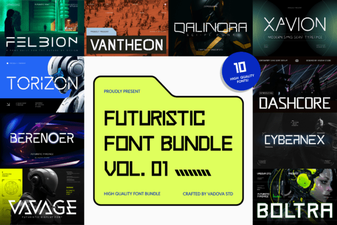 Elevate Designs with Futuristic Bundle Vol.01 Font
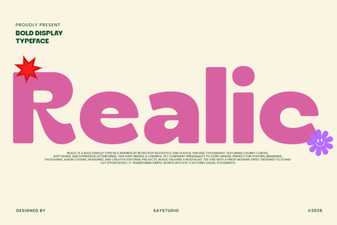 Realic Font: a Clean Modern Design for Projects
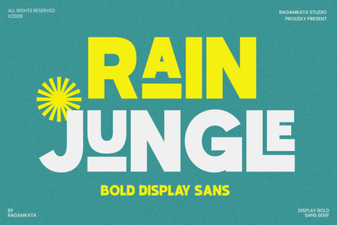 Rain Jungle Font: Creative Uses for Designers
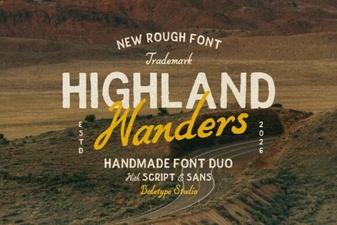 Highland Wanders: Free Font for Creative Projects
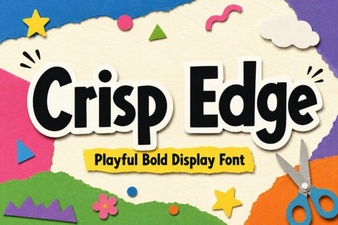 Modern Project Ideas with Crisp Edge Fonts
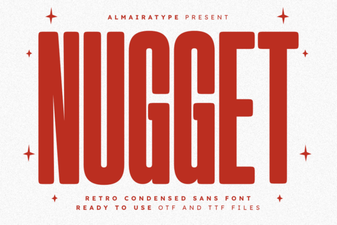 Nugget Font: Craft Bold, Creative Typography